admin
admin 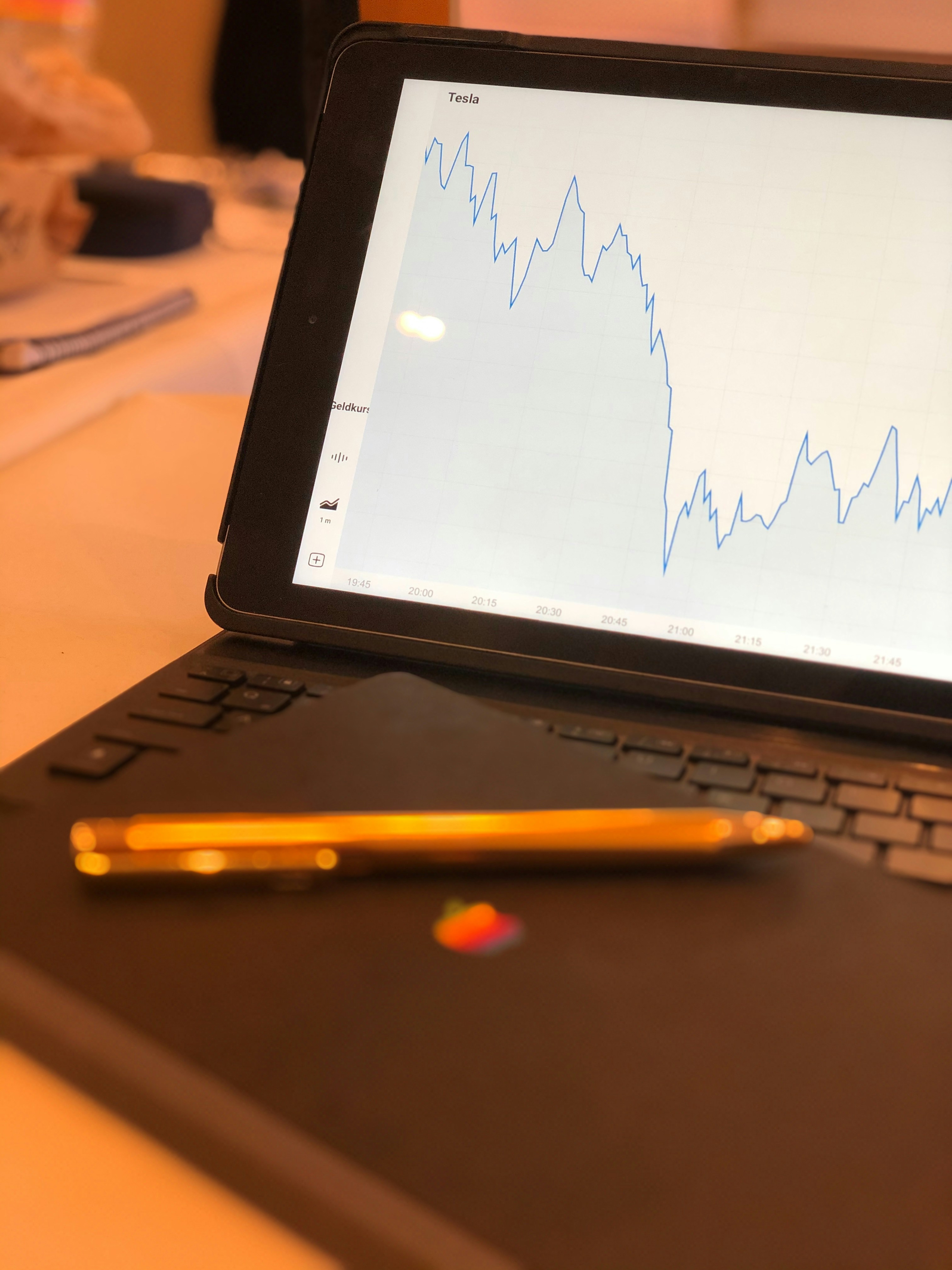
Introduction to Tesla Stock Futures
Stock futures are financial contracts that obligate the buyer to purchase an asset, such as stock, at a predetermined future date and price. They serve as a crucial tool for traders and investors looking to hedge against market fluctuations, speculate on future price movements, or lock in prices for assets they wish to acquire. When we analyze Tesla stock futures, we delve into an important aspect of the financial instruments associated with one of the most dynamic companies in the tech and electric vehicle (EV) sector.
The nature of Tesla stock futures reflects the underlying volatility and potential growth of Tesla as a company. As a leader in the tech and EV cars market, Tesla attracts significant attention from investors. They recognize that this type of financial instrument allows them to gain exposure to Tesla’s stock price movement without requiring the full upfront capital necessary to purchase shares outright. This can be particularly appealing in the fast-paced world of technology stocks, where rapid changes can greatly influence stock valuations.
Investors are particularly drawn to trading Tesla stock futures for several reasons. First, they enable market participants to speculate on price movements, which is notably advantageous for a stock characterized by high volatility. Additionally, futures can serve as hedging instruments, allowing investors to protect against potential downturns in stock prices. With Tesla’s constant innovations and announcements in the tech landscape, understanding the implications of such events can be pivotal for future stock performance.
Moreover, futures trading provides leverage — a feature that amplifies both potential returns and risks. With a relatively small amount of capital, investors can control a larger position in Tesla stock, which can lead to significant profits or losses depending on market trends. Therefore, comprehending the mechanics behind Tesla stock futures is essential for anyone interested in actively engaging with this innovative company’s stock, especially in a market as dynamic and competitive as that of EV cars.
Factors Influencing Tesla Stock Futures
The pricing of Tesla stock futures is subject to a multitude of factors that reflect both the company’s performance and external market conditions. Understanding these influences is crucial for investors and analysts in the tech and electric vehicle sectors.
One significant aspect that impacts Tesla stock futures is market trends within the broader technology sector. As the demand for innovative tech solutions increases, companies like Tesla, which operates at the intersection of technology and manufacturing, can experience significant stock price fluctuations. Trends such as advancements in battery technology or autonomous driving capabilities can directly affect investor sentiment and expectations regarding future stock performance.
Moreover, earnings reports serve as critical indicators for Tesla stock futures. These reports provide insights into the company’s revenue, profitability, and operational efficiency. A strong earnings report often leads to an increase in stock prices as it reaffirms investor confidence in the company’s growth trajectory. Conversely, disappointing results may lead to sell-offs, causing a drop in stock futures.
Production numbers, including vehicle output and delivery figures, are also vital in determining Tesla’s stock trajectory. Tesla is known for its ambitious production goals, and any deviations from expected numbers can sway investor opinions. An increase in production capacity might suggest robust demand for EV cars, enhancing prospects for Tesla’s stock futures.
Additionally, competition within the electric vehicle market plays a pivotal role in shaping Tesla’s stock outlook. As more automakers invest in Evs and attempt to carve their own market share, Tesla must maintain its competitive edge. This evolving landscape can impact not only sales but also investor perception, thereby influencing stock futures.
Broader economic indicators, such as interest rates and inflation, further complicate the circumstances surrounding Tesla stock futures. Economic stability often leads to higher consumer spending on EV cars, while economic downturns may result in reduced demand. Understanding these interconnected factors provides a clearer picture of the dynamics impacting Tesla’s stock performance.
Analytical Tools for Trading Tesla Stock Futures
When engaging in trading tesla stock futures, several analytical tools and methodologies play a crucial role in helping traders make informed decisions. Understanding these tools can significantly enhance the potential for profit while mitigating risks associated with market fluctuations. The approach encompasses technical analysis, fundamental analysis, and sentiment analysis—each offering unique insights into the performance prospects of Tesla stock.
Technical analysis is one of the most widely utilized methods among traders. This approach involves studying historical price movements and trading volumes to forecast future price trends. Traders often employ various indicators such as moving averages, relative strength index (RSI), and Bollinger Bands. These indicators help identify patterns and signals that suggest potential points of entry or exit for trading tesla stock futures positioned within the larger tech and electric vehicle (EV) markets.
On the other hand, fundamental analysis delves deeper into the financial and operational health of Tesla as a company. This includes examining metrics such as revenue growth, profitability, production capabilities, and market share within the EV industry. Additionally, understanding macroeconomic factors and industry trends, such as advancements in electric vehicle technology and regulatory changes, enables traders to gauge Tesla’s long-term viability and dominance in the market.
Lastly, sentiment analysis offers an alternative perspective, focusing on gauging market sentiment through social media, news articles, and analyst recommendations. By interpreting the collective mood of investors and the general public towards Tesla, traders can ascertain whether there is bullish or bearish sentiment that might influence the direction of the stock’s price.
Incorporating these various analytical tools enables traders to holistically evaluate tesla stock futures, facilitating data-driven decisions that can lead to successful trading outcomes.
Historical Performance of Tesla Stock Futures
Tesla stock futures have experienced significant fluctuations since the company’s inception, reflecting the broader trends within the tech and electric vehicle (EV) market. Analyzing past price movements offers valuable insights into how external factors have influenced Tesla’s stock value. The historical data reveals that Tesla’s journey has been anything but linear.
Initially, Tesla’s stock showed modest gains, primarily driven by the company’s innovative technology and growing demand for EV cars. Over the years, major events such as product launches, quarterly earnings reports, and shifts in regulatory policies impacted the stock futures, creating instances of both rapid growth and sharp declines. Notably, Tesla’s announcement of new models and advancements in battery technology frequently resulted in bullish market reactions, driving up stock futures significantly.
Volatility is a defining trait of Tesla stock futures. The years 2020 and 2021 illustrated this characteristic vividly, with the stock experiencing unprecedented highs and lows. For instance, in early 2021, the futures prices surged to all-time highs, which can be attributed to strong sales performance and the company’s increasing market share in the EV sector. Conversely, subsequent market corrections and global supply chain disruptions led to substantial declines in stock futures, highlighting the sensitivity of Tesla’s market performance to external shocks.
Charts depicting Tesla’s stock futures over various timelines present a clear narrative of its performance. These visual representations capture the rapid ascent of Tesla’s stock alongside the corresponding events in the tech industry and the broader automotive landscape. Investors and analysts alike observe that the fluctuations in Tesla stock futures mirror the surge in popularity and acceptance of EV cars, making it a focal point in discussions about future market potentials.
In summary, the historical performance of Tesla stock futures reflects a complex interplay between innovation, market demand, regulatory environments, and investor sentiment. Understanding these factors is essential for those looking to navigate the future direction of Tesla within the tech and EV sectors.
Risks Associated with Trading Stock Futures
Trading Tesla stock futures comes with its share of inherent risks, making it crucial for investors to understand these factors before engaging in transactions. One primary risk is market risk, which refers to the potential for losses due to fluctuations in the overall stock market’s performance. Given the volatility associated with Tesla and the electric vehicle (EV) sector, changes in market conditions can significantly impact the prices of Tesla stock futures. Investors should be prepared for potential sharp declines or sudden surges in value, influenced by broader economic indicators or sector-specific developments.
Liquidity risk is another critical factor to consider when trading Tesla stock futures. This type of risk arises when an investor cannot buy or sell futures contracts without causing a substantial impact on the price. In some situations, especially during periods of high volatility or market unrest, finding a counterparty for a trade might become challenging, potentially leading to unfavorable execution prices. Active monitoring of trading volume and open interest can help mitigate liquidity issues, but they cannot eliminate them entirely.
Additionally, leverage risk is a significant concern in the futures market. Futures contracts allow investors to control a larger position than their initial capital investment would typically permit. While this can amplify returns, it can also magnify losses, posing a danger of significant financial exposure. Investors in Tesla stock futures should undertake careful management of their leverage, employing strict risk management strategies to minimize potential losses.
Lastly, the impact of news and events on stock futures trading cannot be understated. Given Tesla’s visibility in the tech and EV car sectors, announcements—ranging from earnings reports to changes in regulatory policies—can dramatically influence futures prices. Keeping abreast of industry news and potential catalysts is essential for investors trading Tesla stock futures, as they must be prepared to react swiftly to emerging information that may affect market sentiment.
Strategies for Trading Tesla Stock Futures
When it comes to investing in tesla stock futures, understanding various trading strategies is essential for maximizing potential returns while managing risk. Here, we will explore several popular strategies including day trading, swing trading, and long-term investments, each with its own advantages and disadvantages.
Day trading involves making multiple trades within a single day, capitalizing on short-term market fluctuations. This strategy requires a keen eye on the market and often, quick decision-making abilities. The primary advantage of day trading Tesla stock futures is the potential for rapid gains. However, it also carries significant risks due to the high volatility associated with EV car stocks, and can lead to substantial losses if the market does not move as anticipated.
Swing trading is another popular approach that aims to capture short to medium-term gains over a period of days to weeks. This strategy involves holding positions longer than a day but shorter than a long-term investor typically would. Investors might find swing trading Tesla stock futures more appealing as it allows for a more calculated approach, reducing the pressure of constantly monitoring the market. Yet, this strategy does require an understanding of market trends and an ability to identify optimal entry and exit points.
Long-term investing focuses on buying and holding Tesla stock futures for an extended period, often based on the belief in the company’s ongoing growth and potential within the tech and electric vehicle sectors. This strategy is generally considered less risky compared to day and swing trading, as it relies on the overall upward trend of Tesla as a company. However, it can tie up capital for extended periods and may miss out on short-term trading opportunities.
In conclusion, the choice of strategy depends on individual risk tolerances, investment goals, and market conditions. Investors in Tesla stock futures should weigh the pros and cons of each strategy to determine which aligns best with their trading style and financial objectives.
The Impact of Tesla’s Innovations on Stock Futures
Tesla, a front-runner in the electric vehicle (EV) market, is continually pushing the boundaries of technology. This drive for innovation significantly impacts its stock futures. A critical area of development is Tesla’s enhancements in battery technology. The effectiveness and efficiency of batteries are pivotal for the performance of electric vehicles and directly affect consumer interest and sales. For instance, breakthroughs in battery life and charging speed not only provide Tesla’s vehicles with a competitive edge but also bolster confidence among investors, anticipating bright futures for the stock.
Furthermore, Tesla has been making substantial investments in research and development (R&D) to further its technological advancements. These R&D initiatives are essential for fostering innovation in electrical engineering and sustainable energy solutions. By continuing to refine its manufacturing processes and capabilities, Tesla can reduce production costs while increasing the quality and efficiency of its cars. Such improvements have the potential to lead to higher sales volumes, ultimately influencing Tesla stock futures positively.
Additionally, Tesla is actively expanding its presence in global markets. Entering markets like China and Europe not only diversifies its revenue streams but also positions the company to benefit from the growing demand for EV cars internationally. As these markets recognize the need for sustainable transport solutions, Tesla’s ability to meet this demand can lead to an appreciation in stock prices. This global expansion strategy is crucial for long-term investor confidence, as it signals a robust potential for future growth.
In conclusion, Tesla’s commitment to innovation through advancements in battery technology, effective R&D, and strategic market expansion plays a significant role in shaping the outlook for its stock futures. As these initiatives unfold, the implications for investors are profound, signifying both risks and opportunities in the realm of tech and EV markets.
Expert Opinions and Forecasts on Tesla Stock Futures
The market for tesla stock futures has garnered considerable attention from both investors and analysts, owing to the company’s position as a leader in the electric vehicle (EV) sector. Many financial analysts have provided insights regarding the anticipated direction of Tesla’s stock, influenced by various factors such as market demand for EV cars, supply chain dynamics, and overall economic conditions.
One notable perspective comes from market strategists who predict that as the global shift towards sustainable energy alternatives continues, Tesla is likely to see increased demand for its vehicles. Several analysts emphasize that Tesla’s continual innovation in both technology and production efficiency will drive long-term growth, making its stock futures an attractive proposition for investors. This is underscored by the robust growth in EV sales projected for the coming years, which align perfectly with the company’s expansion plans.
Financial experts have also pointed out the potential risks associated with investing in tesla stock futures. While the growth projections seem promising, there are concerns about market volatility and competition from emerging players in the EV market. Some analysts suggest that to mitigate these risks, investors should closely monitor Tesla’s quarterly earnings reports and production milestones. Adapting to rapid changes in technology and consumer preferences remains imperative for Tesla to sustain its market form.
Moreover, various analysts stress the importance of external factors such as regulatory changes and global economic trends which might influence the future of tech stocks, including those related to Tesla. In conclusion, while the outlook for Tesla stock futures remains optimistic among many experts, it is essential for investors to remain informed and exercise due diligence when considering their investment strategies based on these forecasts.
Conclusion: The Future of Tesla Stock Futures
The future of Tesla stock futures appears to be influenced by various dynamic factors within the tech and EV cars industries. As Tesla continues to innovate and expand its product offerings, investor sentiment plays a crucial role in shaping the future of its stock and associated futures. Importantly, the ongoing growth of electric vehicles is expected to drive demand not only for Tesla but also for the market as a whole, creating potential opportunities for investors.
Investment in Tesla stock futures can be particularly appealing as it allows traders to speculate on future price movements of Tesla shares without the need for significant capital. As the electric vehicle sector evolves, coupled with advancements in related technologies, the implications for Tesla stock futures remain profound. Analysts suggest that the growth trajectory of Tesla, enhanced by its dominance in the EV market, could signal favorable conditions for stock futures in the long run.
Moreover, potential shifts in government policies aimed at promoting electric vehicles and sustainable technology can further affect the outlook for Tesla stock futures. As more countries commit to achieving net-zero emissions, the demand for EV cars is likely to rise steeply, which in turn could fuel increased interest in Tesla as a leader in this field. However, it is essential for investors to stay informed about market conditions and competitive dynamics that could impact Tesla’s financial performance.
In conclusion, while the Tesla stock futures market presents attractive possibilities for those looking to invest in tech-driven industries, it is essential to consider the volatility and inherent risks associated with it. Careful analysis, combined with a forward-looking approach towards industry trends and company performance, will be pivotal in navigating the complexities of Tesla stock futures and ensuring informed investment decisions in this rapidly evolving sector.
About The Author